
Hurting right now?
Call and we will get you seen today, so you can get back to sleeping, working and moving without pain.
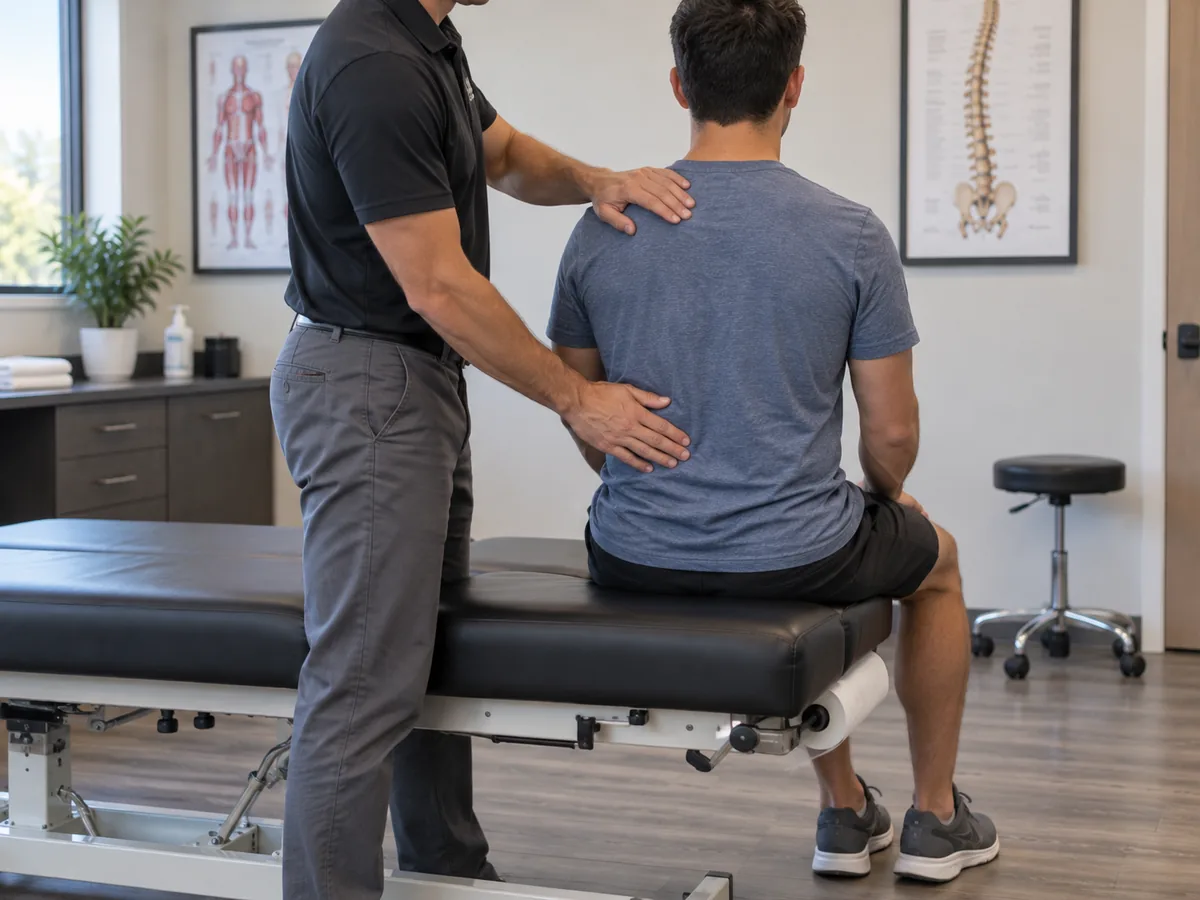
Back Pain Treatment Addresses Spinal and Postural Injury
You wake up the day after a fender bender and your lower back feels stiff, maybe worse than it did the night before. That's normal. Back pain from an accident often shows up late, sometimes a full day or two after impact. It can come from a spinal misalignment, a strained muscle, or something deeper like a disc that's been pushed out of place.
A house here runs a couple of million and one bedroom rents jumped roughly a third in a single year. Almost nobody we treat feels able to be out of commission, so they arrive trying to work out which pain to deal with first, as though they get to pick one. Usually the headache and the jaw and the shoulder are the same problem turning up in three places. So we look at all of it in one visit instead of sending you to three places.
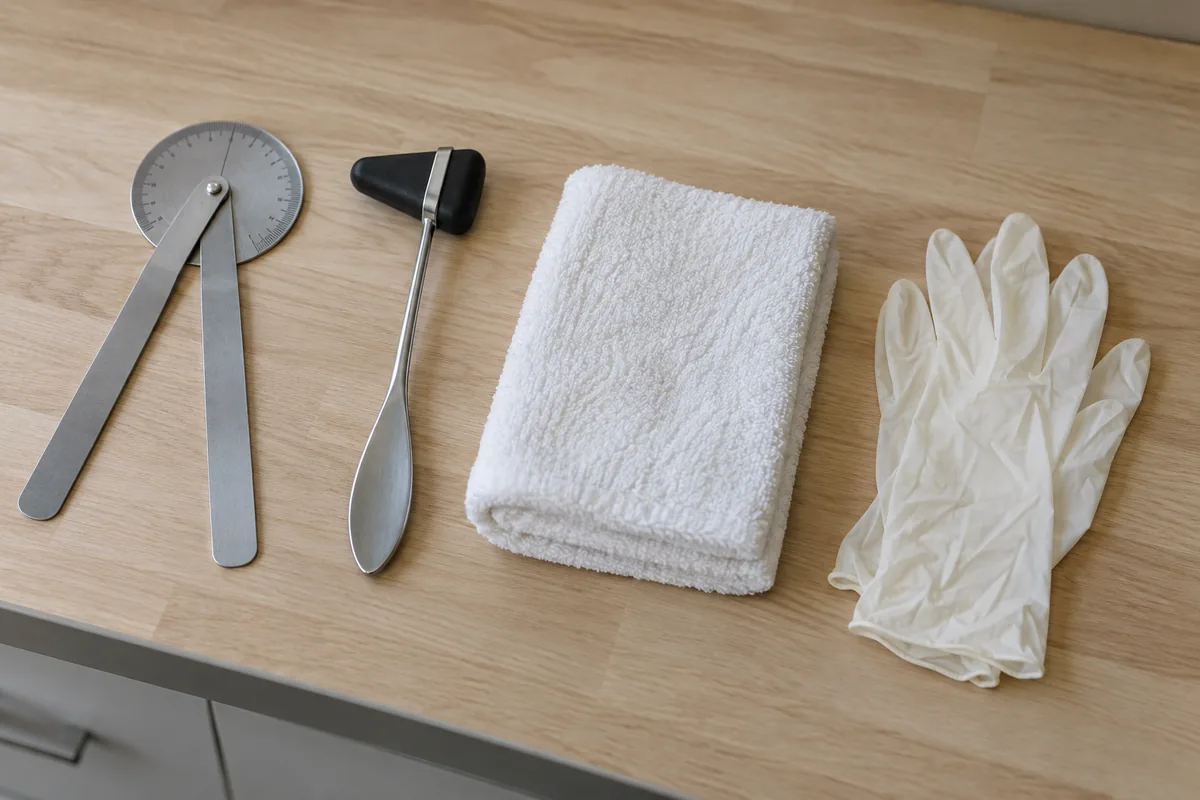
A same-day exam checks for all of it. We look at your range of motion, test for nerve involvement, and note exactly what hurts and where. That real medical record matters if you're filing an insurance claim or working with an attorney later. This is the part people skip when the pain feels mild, and it's the part they regret skipping most.
Highway 101 and Lawrence Expressway see a steady flow of traffic through Sunnyvale, and that means fender benders and rear-end collisions happen often. Back pain is usually the first thing drivers notice afterward, even in low-speed crashes.
- Lower back stiffness or sharp pain after sitting or standing
- Pain that radiates down one leg or into the hip
- Trouble bending, twisting, or lifting like you used to
- Back pain that started small and has gotten worse over days
If any of that sounds familiar, don't wait to see if it clears up on its own. Learn more about our back pain treatment.
Shoulder Pain Treatment Restores Arm and Joint Mobility
Shoulder pain is different from back pain. Back pain usually comes from your spine getting jarred or your posture breaking down over time. Shoulder pain is more often tied to one specific moment - your seatbelt locking hard, your arm bracing against a dashboard, or a fall where you landed on an outstretched hand. That one moment can strain the joint, the rotator cuff, or the soft tissue around it.
You might notice it right away, or it might show up the next morning as stiffness that won't loosen up. Either way, it's worth getting looked at. A shoulder that doesn't move right can quietly turn into a long-term problem if it's left alone.
- Trouble lifting your arm above shoulder height
- Sharp pain when reaching, twisting, or bracing
- Stiffness that shows up a day or two after the accident
- A dull ache that gets worse with sitting or driving
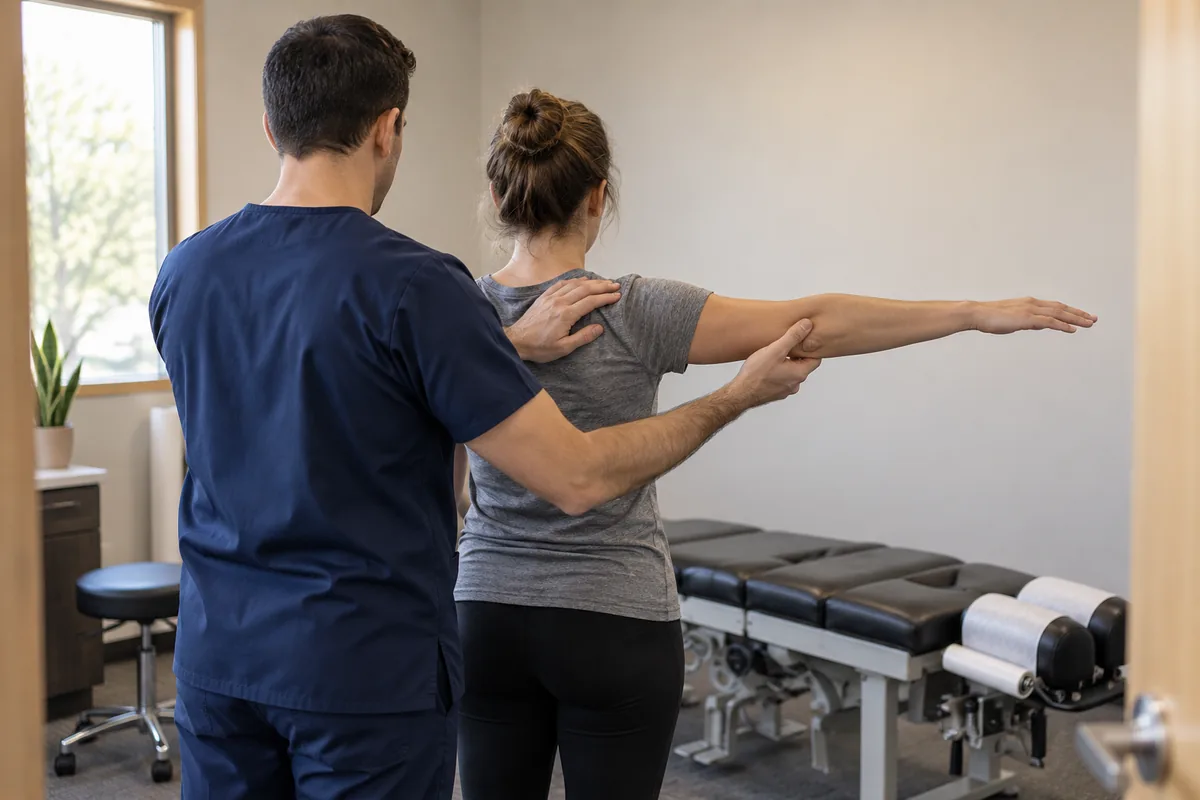
Treatment here is about getting your range of motion back, not just easing the ache. We check how the joint moves, where it's restricted, and whether the pain traces back to the accident itself. That last part matters - if this happened in a car accident or a fall, we document it as we treat it, so you're not left explaining a gap later. Read more about shoulder pain treatment.
Tension Headache Treatment Eases Whiplash-Related Head Pain
That tight band around your head isn't random. After a car accident, neck muscles tighten up to protect you, and that tension travels straight into your skull. If you've been in a wreck and now get headaches you never had before, that's not a coincidence.
Sunnyvale's downtown office and tech workforce sees this from two directions. Some patients get headaches from whiplash after a fender bender. Others get them from long hours hunched at a desk. Both cases involve tight muscles in the neck and upper back pulling on the head.
We look at your neck, shoulders, and upper spine to find where the tension is coming from, not just where the pain shows up. This is the step a lot of people skip - they treat the headache but never touch the neck that's causing it.
This is different from TMJ pain, which sits right at the jaw joint and shows up as clicking or trouble chewing. Tension headaches live in the neck and head, not the jaw. We sort out which one you have before we start treatment.
If your headaches started after an accident, don't wait to see if they fade. We can document the connection to your accident the same day, which matters for any insurance or legal claim later.
Read more about our approach to tension headache treatment.
TMJ / Jaw Pain Treatment Targets Jaw Joint Injury
Does your jaw click when you chew? Does it feel tight, sore, or like it's catching when you open wide? That's not something to shrug off. It could be TMJ, and it's different from a headache even though both can start the same way - a car accident, a fall, or a hard hit to the face or jaw during impact.
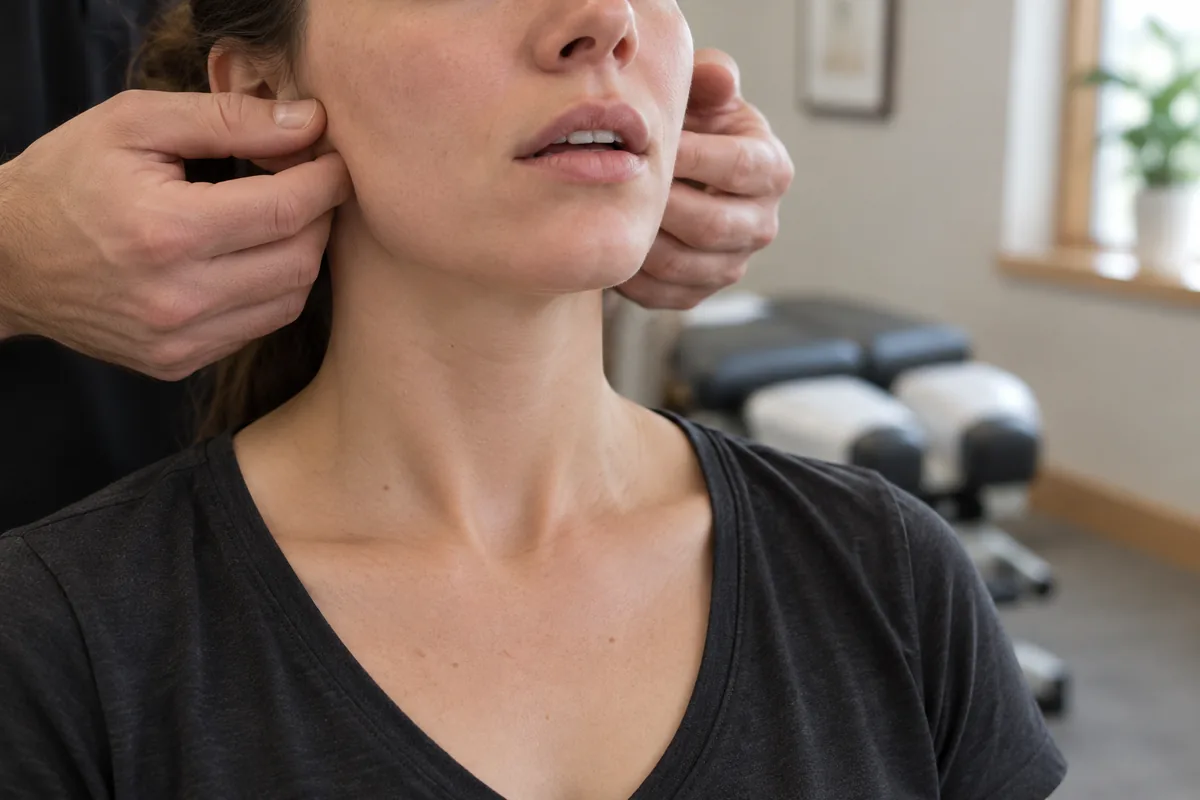
A lot of people never connect their jaw pain to the accident at all. This is the one people miss most often. You clench your jaw hard the second before impact, without even thinking about it, and that strain lands right in the jaw joint. Days later you notice the clicking or the soreness and you're not sure why it's there.
TMJ / jaw pain treatment starts with an exam that separates jaw joint dysfunction from neck and muscle-related pain. Your neck can be tight and your jaw can be fine, or the other way around, or both can be involved at once. Getting that right matters, because treating the wrong source won't fix the problem.
- Clicking, popping, or grinding when you open or close your mouth
- Jaw locking or getting stuck partway open
- Pain or tightness while chewing or talking
- Soreness around the jaw joint, ear, or temple
If any of that sounds familiar, especially after a recent collision or fall, it's worth getting checked. We'll document it clearly for any insurance or legal claim tied to the accident.
Read more about neck pain treatment, which often travels with jaw pain after an impact.
Frequently Asked Questions
You need one if you have back pain, shoulder pain, headaches, or jaw pain that started after a crash or fall. These symptoms often show up a day or two later, not right away. A same-day exam finds the real cause and builds a medical record for your claim. Don't wait for pain to fade on its own.
Tension headaches come from tight neck and shoulder muscles pulling on your head. TMJ pain sits right at the jaw joint, with clicking, popping, or trouble chewing. Both can start from the same accident, but they need different treatment. We check your neck and jaw separately to find the real source before treating it.
Delayed pain is normal after a collision. Adrenaline masks pain right after impact, and inflammation builds over the following day or two. Sunnyvale sees a lot of fender benders on Highway 101 and Lawrence Expressway, and drivers often notice back or shoulder stiffness the next morning. Get checked even if the pain feels mild at first.
Yes, but the cause is different even if the pain feels similar. Sunnyvale's office and tech workers often get tension headaches and neck pain from long hours hunched at a desk, not from an accident. We check your neck, shoulders, and posture to figure out which one it is before starting treatment.
We check your range of motion, test for nerve involvement, and note exactly what hurts and where. This applies whether it's your back, shoulder, jaw, or neck. That exam creates a real medical record tied to your accident date, which matters if you're filing an insurance claim or working with an attorney.
No, waiting is the most common mistake people make. Mild stiffness or a dull ache can point to a disc issue, joint strain, or muscle damage that gets worse over time. Getting checked early also protects your insurance or legal claim, since gaps in treatment are hard to explain later.