
Hurting right now?
Call and we will get you seen today, so you can get back to sleeping, working and moving without pain.
Sudden Pain After a Crash Is Different From Everyday Back Pain
You woke up sore. Maybe it's your lower back, maybe it's your neck too. You tell yourself it's nothing, just a little stiffness from the seatbelt jolt. Here's the thing though - crash pain doesn't play by the same rules as regular back pain.
Every provider in the county says stay active. Then you get in a car, sit for the commute, sit all day, and sit again on the way home. Lap swim runs year round at the Washington Community Swim Center over on Pastoria, and water is about the kindest place a sore lower back can be, because it carries your weight while the muscles still do the work. That is a real answer. It is also one more thing to schedule in a week that is already full, which is why most people who start in January have stopped by February.
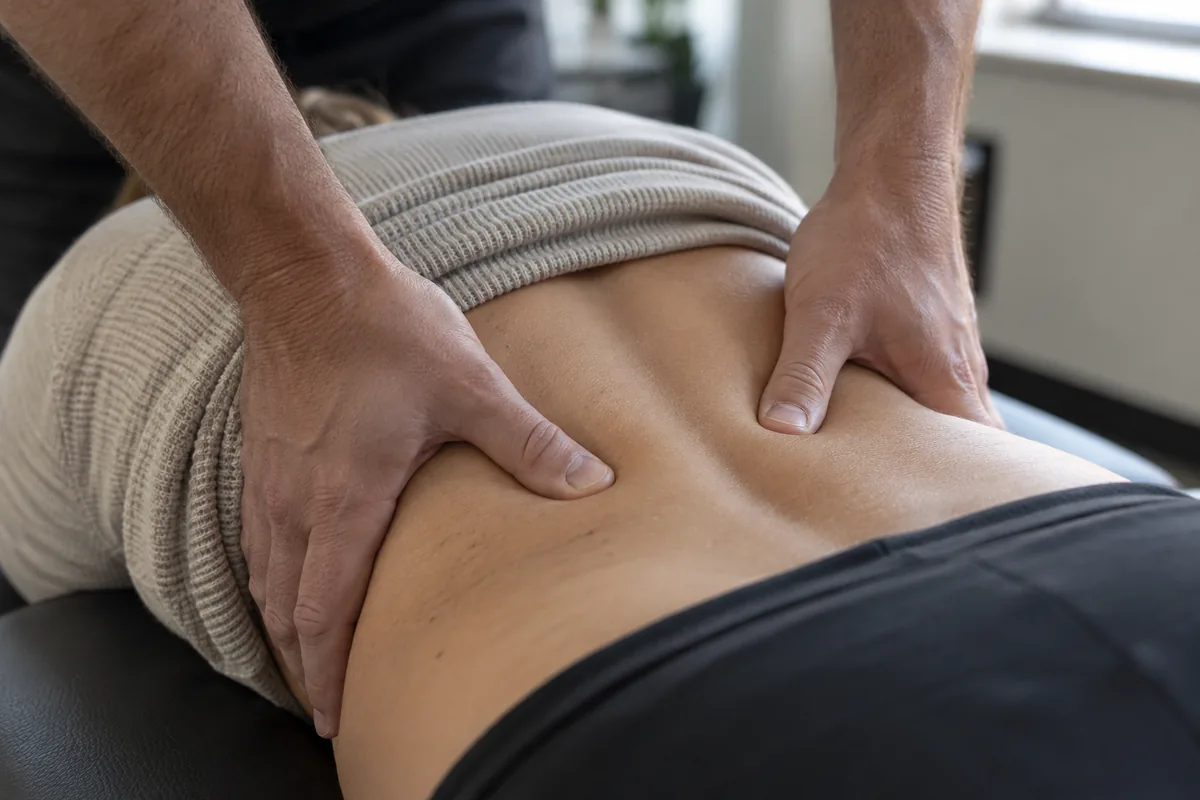
Everyday back pain usually builds slowly. You feel it right when it happens. Car accident injuries are different. Your body floods with adrenaline in the seconds after impact, and that can mask real damage to discs, muscles, and ligaments for 24 to 72 hours. We hear this story weekly. A patient walks in three days after their accident saying the pain came out of nowhere, but it didn't come out of nowhere at all. It was there the whole time, just hiding.
This matters for two reasons. First, untreated soft tissue damage and disc injuries can turn into chronic pain if they're left alone too long. Second, insurance companies look hard at the gap between your accident date and your first exam. Wait two weeks to get checked, and they'll argue your back pain came from somewhere else.
Same-day lower back pain treatment does two things at once. It gets your injury diagnosed and treated before it settles in, and it creates a real medical record timestamped to the day of your crash. That record matters more than most people realize until they're mid-claim wondering why the adjuster is pushing back.
Why Waiting to Get Checked Can Make Things Worse
Here's the thing about back pain. It doesn't always show up loud. You get rear-ended, or you take a bad fall, and your lower back feels tight but manageable. So you wait. A few days pass. Then a week. And that ache that seemed minor starts creeping into your hip, or down your leg. This pattern shows up again and again.
Soft tissue and disc injuries are sneaky. The swelling and inflammation that cause real pain often peak 24 to 72 hours after the injury, not right away. If you don't get checked early, you're guessing at what's hurt. And guessing is a bad plan when it's your spine.
There's also the paperwork side of this, and it matters more than people think. Insurance companies look hard at gaps between an accident and your first medical visit. Wait two weeks to get checked and someone on the other end will ask why, if you were really hurt, you didn't go sooner. That gap can shrink or sink a claim, even when the injury is real and painful.
A same-day exam does two things at once. It gets your lower back pain treatment started before things stiffen up and compensate into your hips or neck. And it puts a clean, timestamped real medical record in the file, exactly what your attorney needs if there's a claim behind this.
Not sure if it's bad enough to come in? That's the most common thing we hear, right before someone tells us the pain's been getting worse, not better.
When Rest and Stretching Are Enough, and When They Are Not
Look, not every backache needs a doctor. If you tweaked something lifting a box and it's a dull ache that fades in a day or two with rest and some gentle stretching, you're probably fine. That's normal. Your body heals a lot of small stuff on its own.
But car accidents are different, and this is the part people get wrong. The jolt from a collision, even a slow one, can compress or twist your spine in ways a normal strain never does. We see this pattern often. Someone walks in five or six days after a fender bender saying their back felt okay at first, just a little stiff, and now they can barely stand up straight.
Here's the answer on when to wait and when to call.
- Wait and rest: mild soreness from everyday activity that improves daily and doesn't radiate anywhere
- Call us: pain that started after a car accident, slip, or sports injury, even if it seemed minor at the time
- Call us: any pain shooting into your leg, numbness, or tingling, which can signal sciatica or a pinched nerve
- Call us: stiffness or pain that's getting worse instead of better after three or four days
- Call us: you're planning to file an insurance or injury claim and have no medical record yet
That last one matters more than people think. The folks who wait often end up with both a worse injury and a weaker claim, because there's no attorney-ready documentation showing the pain started right after the accident. And once the swelling in a disc goes down enough to feel okay, the underlying damage doesn't always follow.
So if this is accident-related, don't stretch and wait it out. Get it looked at.
What Happens at Your First Visit and How Treatment Is Planned
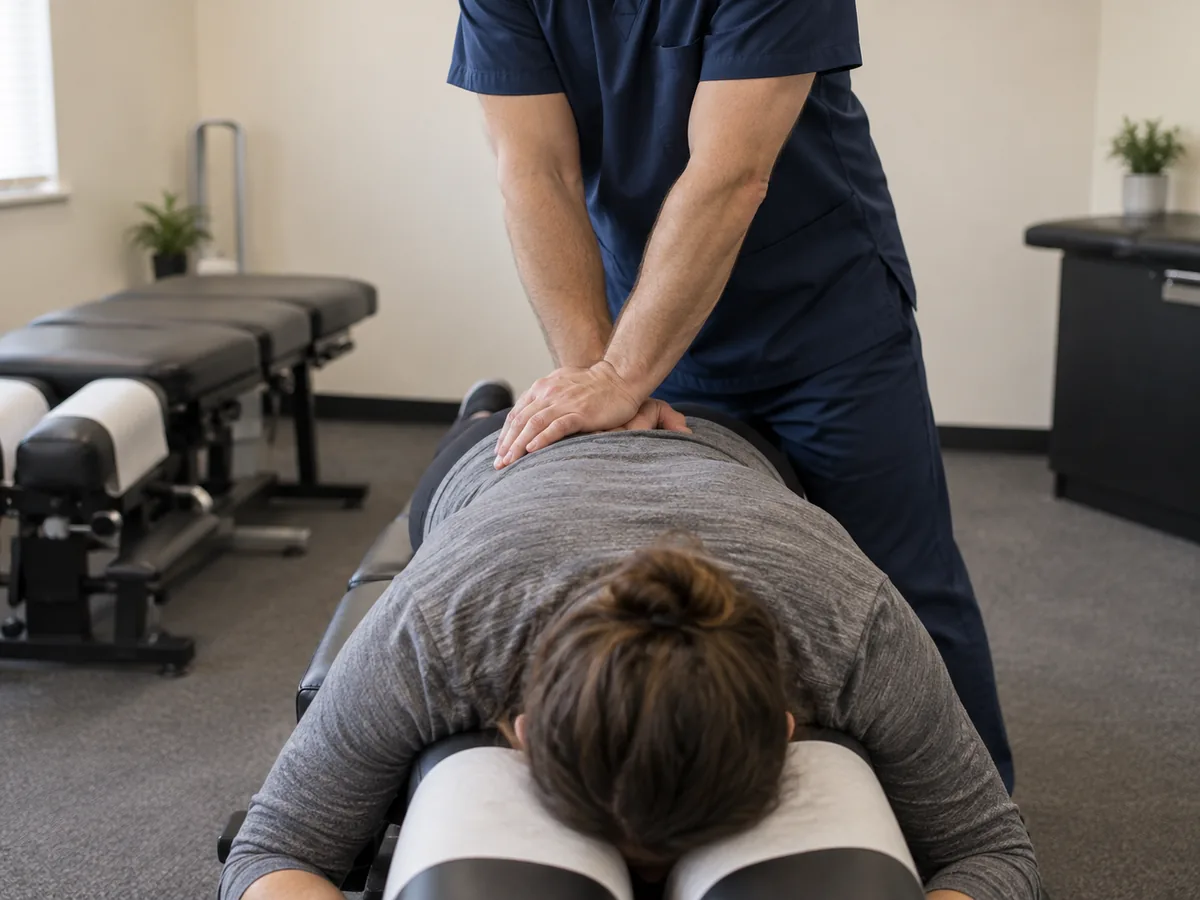
So what happens when you walk in? First, we sit down and talk. You tell us how the pain started, where it hurts, and what makes it worse. Then we do a full exam, checking your range of motion, testing reflexes, and finding exactly where the damage is. Often it's the same story - someone lifted something wrong, or got rear ended, and the pain crept in over the next day or two.
This exam isn't just for us. If your injury happened in a car accident, slip and fall, or on the field, this real medical record becomes part of your case file. Insurance companies and attorneys need proof the injury happened and proof it's being treated. We document everything, the same day you're seen, so there's no gap for anyone to question later.
From there, we build a plan around you. No two backs are the same, so treatment might include chiropractic adjustment, spinal decompression therapy, or traction therapy, depending on what the exam shows. Some patients need the Thompson drop table technique. Others do better with flexion-distraction, especially with a bulging disc or herniated disc.
- A hands-on exam checking movement, reflexes, and pain triggers
- Same-day attorney-ready documentation
- A treatment plan built around your specific injury, not a generic protocol
- A clear next appointment before you leave, so care starts right away
We know Sunnyvale is a working city, people don't have time to sit on an injury for weeks waiting for a callback. That's why we offer same-day chiropractic appointments and walk-in chiropractic care. Se habla español, too, so language shouldn't ever be the reason someone puts off getting looked at.
Frequently Asked Questions
Get checked the same day if you can, or within 24 to 72 hours at the latest. Crash pain hides behind adrenaline and swelling, so it often gets worse instead of better. Waiting also creates a gap between your accident and your first exam, which insurance adjusters use against your claim. A same-day visit gets your treatment started early and creates a timestamped medical record tied to the day you were hurt.
This happens all the time, and it doesn't mean the injury is new. Adrenaline can mask disc and muscle damage for 24 to 72 hours after impact. Swelling and inflammation often peak days later, which is why the pain feels like it came out of nowhere. It didn't. Come in as soon as you notice it getting worse, so we can document it and start treatment before it settles into a bigger problem.
Mild soreness from everyday lifting that fades within a day or two usually just needs rest and stretching. But pain after a car accident, slip, or sports injury is different, even if it seemed minor at first. Any pain shooting down your leg, numbness, or stiffness that's getting worse after three or four days means you should get checked. If you're filing a claim, don't wait, since a gap in treatment can hurt your case.
We start by talking through how the pain began and where it hurts most. Then we do a full exam, checking your range of motion and reflexes to find exactly what's damaged. If your injury is from a car accident, slip and fall, or sports, we document everything the same day. This becomes part of your medical record, which matters if insurance or an attorney gets involved later.
Insurance adjusters look closely at the gap between your accident date and your first exam. If you wait two weeks to get checked, they'll often argue your back pain came from something else, not the crash. A same-day or next-day visit creates a clean, timestamped medical record showing the injury started right after impact. That documentation protects your claim as much as it protects your recovery.
Yes, even a slow-speed collision can twist or compress your spine in ways a regular strain never does. We regularly see patients five or six days after a small accident who felt fine at first, then could barely stand up straight. The jolt doesn't have to feel severe to cause real damage to discs and soft tissue. If pain started after any accident, get it looked at instead of waiting to see if it fades.
Start feeling like yourself again
Call (408) 329-9604 and we will get you in today.